

Find Relief from Pelvic Pain
Pelvic pain can show up as:
Pain in the vulva, vagina, perineum, or deeper inside the pelvis
Bladder pain, burning, or pain with bladder filling
Tailbone pain
Stubborn hip, SI joint, or low back pain that may be connected to the pelvic floor
Pain with sitting, exercise, or certain movements
Pain with sex, pelvic exams, or tampon use
Pelvic pain doesn't always feel like "pelvic" pain. If you're wondering whether your symptoms could be related to your pelvic floor, you're in the right place.
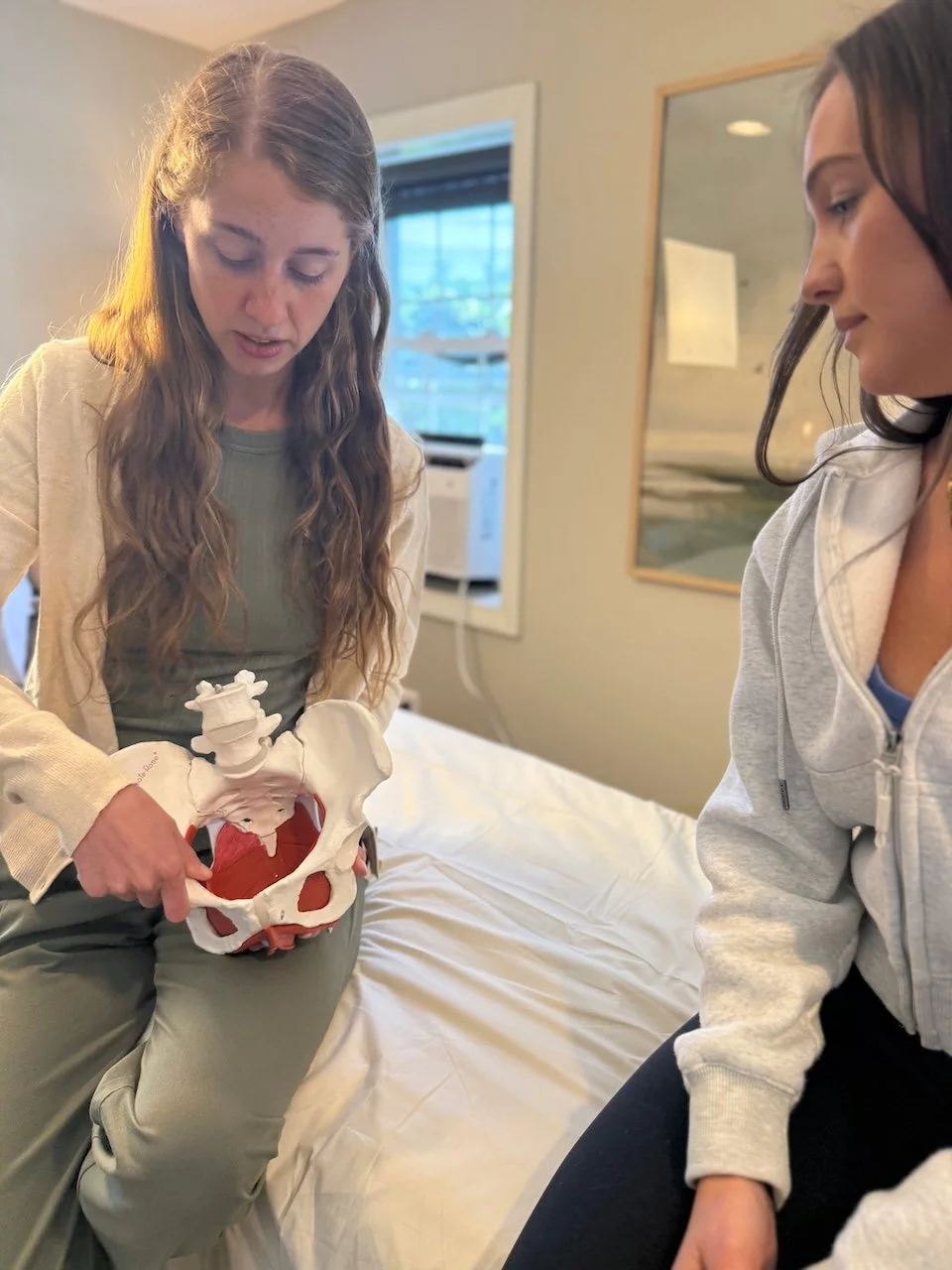
Common Pelvic Pain Conditions
-
If you’re dealing with ongoing bladder pressure, pain, or a constant urge to urinate, even when tests come back “normal,” you’re not imagining it.
Interstitial cystitis (IC) is a real condition that can affect how your bladder and pelvic floor function.
-
Pain during intercourse is more common than you might think. It can feel sharp, burning, or like pressure, and may happen at the entrance or deeper in the pelvis.
This type of pain is often related to tension or sensitivity in the pelvic floor muscles, sometimes alongside other factors like hormonal changes, stress, or postpartum healing.
-
Vulvodynia is ongoing pain or discomfort around the vulva (the external vaginal area) without a clear cause. It can feel like burning, stinging, irritation, or rawness. It may be constant or triggered by touch, sitting, or intimacy.
Even when exams and tests are “normal,” the pain is very real. Often, the nerves and pelvic floor muscles in this area become more sensitive or tense over time, which can keep symptoms going.
-
Vaginismus is when the pelvic floor muscles tighten or contract involuntarily, making penetration, like tampons, pelvic exams, or intercourse difficult or painful.
This response isn’t something you’re choosing or doing wrong. It’s often your body’s way of protecting itself, sometimes linked to past pain, stress, or heightened sensitivity in the area.
-
Pelvic organ prolapse happens when the bladder, uterus, or rectum shifts downward and creates a feeling of pressure, heaviness, or a bulge in the vaginal area. You might notice symptoms more at the end of the day or with standing, lifting, or exercise.
While it can feel concerning, prolapse is common and many people improve significantly with the right support.
-
-
Tailbone pain can feel sharp, achy, or bruised right at the base of your spine, and it often worsens with sitting, transitions from sitting to standing, or certain movements. It can make everyday activities feel uncomfortable or even limiting.
This type of pain is often related to irritation, joint sensitivity, or tension in the surrounding pelvic floor and deep hip muscles that attach near the tailbone.
Pelvic floor physical therapy focuses on reducing tension in these muscles, improving how your pelvis moves and distributes pressure, and helping your body find more comfortable, supported ways to sit and move so symptoms gradually calm down.
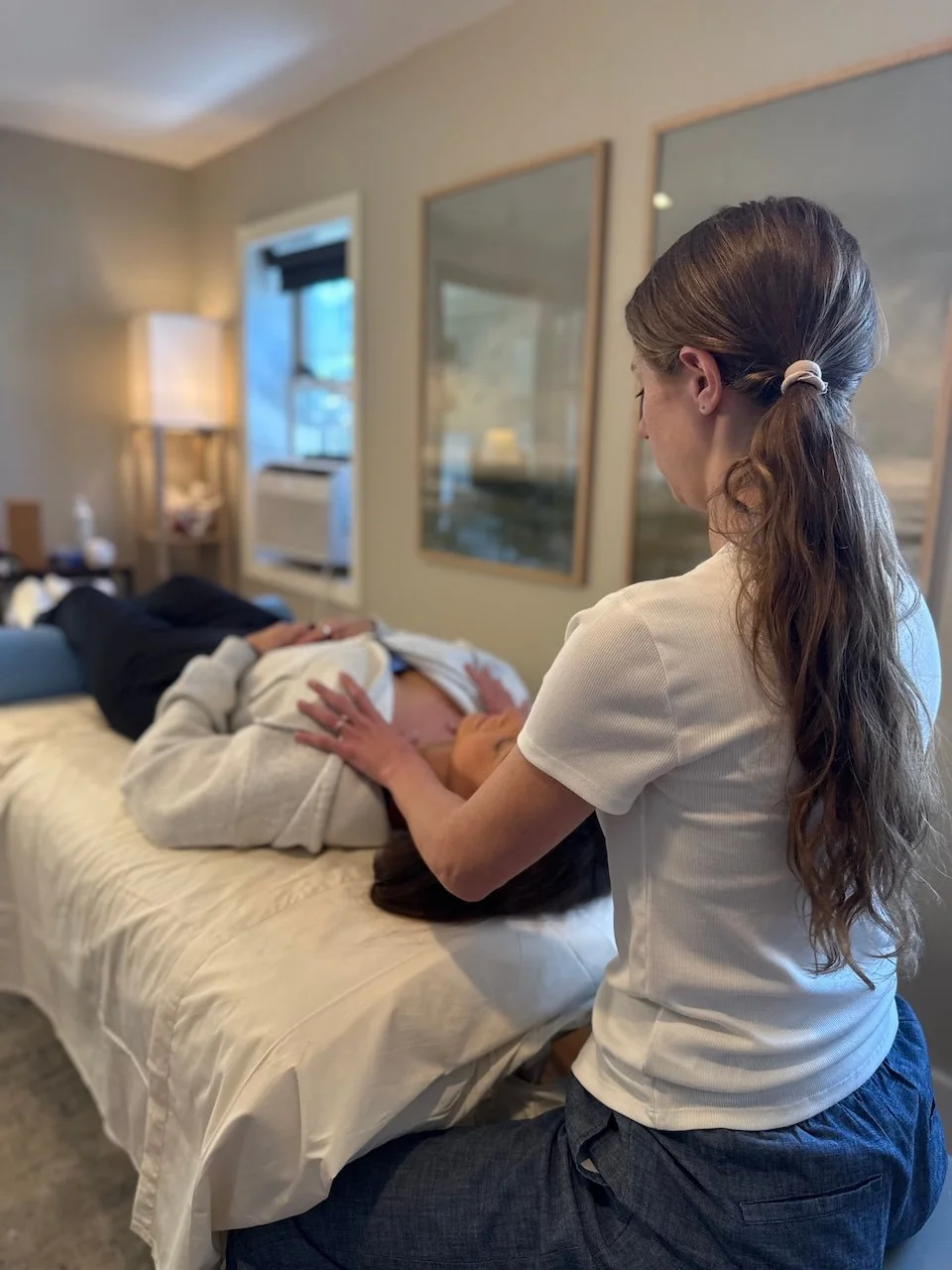
How Does Physical Therapy Help?
A Whole-Body Approach to Pelvic Pain
Pelvic pain rarely exists in isolation. Whether symptoms show up as bladder discomfort, pain with intimacy, or hip and back pain, they are often influenced by a combination of muscle tension, movement patterns, and nervous system sensitivity.
Treatment addresses these patterns at their source, helping your body move with more ease, reducing flare-ups, and supporting a gradual return to the activities that feel important to you.
Ready to take the next step?
Pelvic pain can be complex, but you don't have to navigate it alone. If you're ready to better understand what's contributing to your symptoms and explore a personalized treatment approach, I'd love to help.
Request an appointment to get started.