

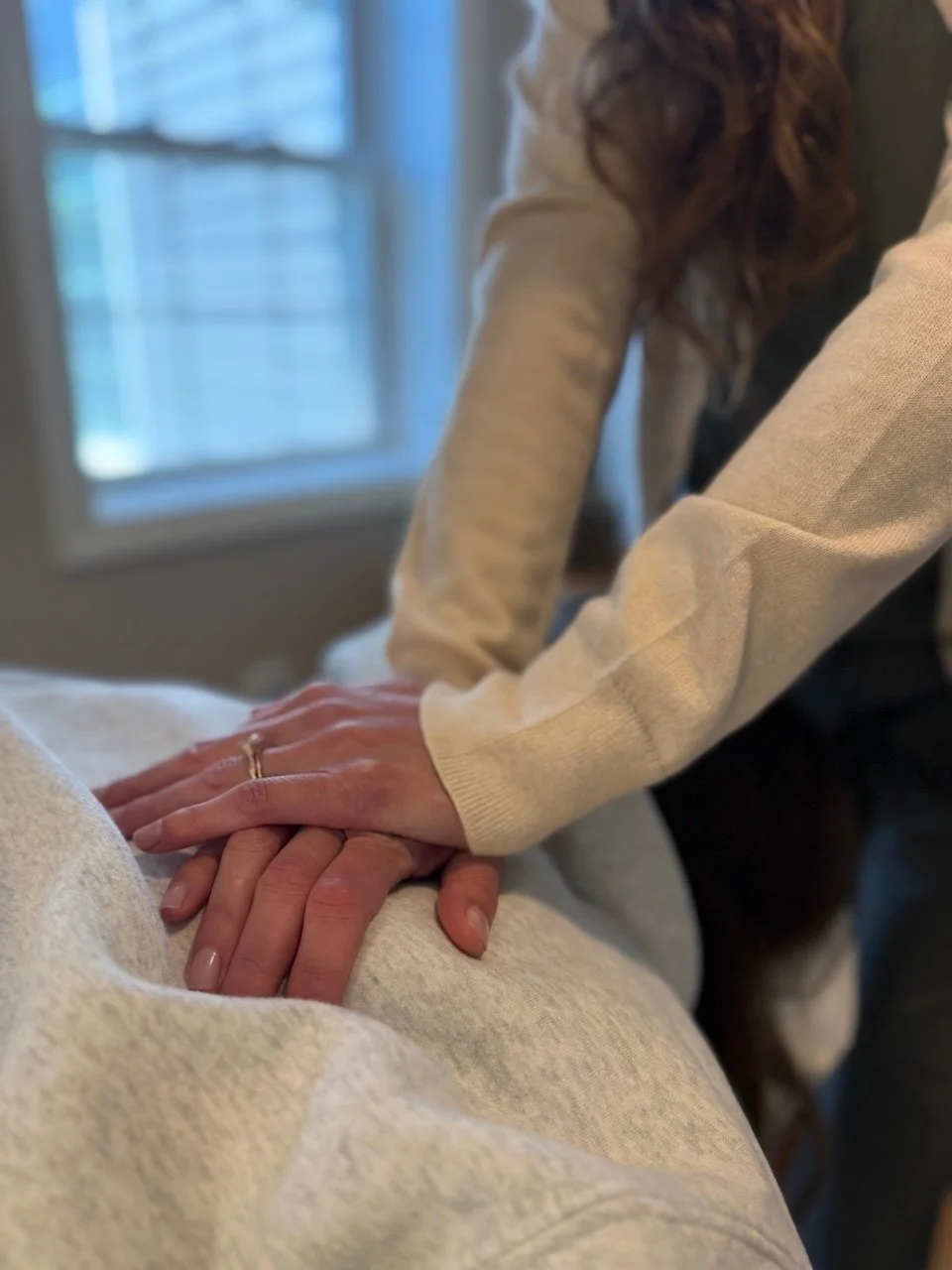
Low Back & Hip Pain
physical therapy for:
low back
hip
SI joint
sciatica
pain anywhere near the pelvic girdle
Why Pelvic Floor Physical Therapy for Low Back, Hip, and SI Joint Pain?
The pelvis is often the missing link in persistent low back, SI joint, hip, and even sciatic-type pain.
These areas are closely connected through shared muscles, joints, fascia, and nerves that all interact around the pelvic girdle. Because of this, it is very difficult for one area to be affected without influencing the others as well.
Many people with ongoing low back or SI joint pain also have underlying pelvic floor dysfunction, even if they do not realize it yet. Sometimes this looks like pelvic pain, pressure, urinary symptoms, or abdominal weakness. Other times, the pelvic floor simply is not coordinating well with the rest of the core and stabilizing muscles, which can contribute to persistent pain and recurrent flare-ups, even if you technically have “good” strength.
If you have tried traditional orthopedic treatment, stretching, injections, chiropractic care, massage, or strengthening programs with only temporary or partial relief, the pelvic floor may be an important piece that has not yet been addressed.
Pregnancy and Postpartum Changes
Pregnancy and postpartum recovery can also significantly impact the low back, hips, pelvis, and core system. Changes in abdominal pressure management, pelvic floor coordination, muscle activation, breathing mechanics, and joint stability can all contribute to pain or difficulty returning to exercise.
Even years after delivery, it can be helpful to have a pelvic health assessment to make sure your body is functioning well before returning to higher-impact activities like running, lifting, HIIT workouts, or sports.
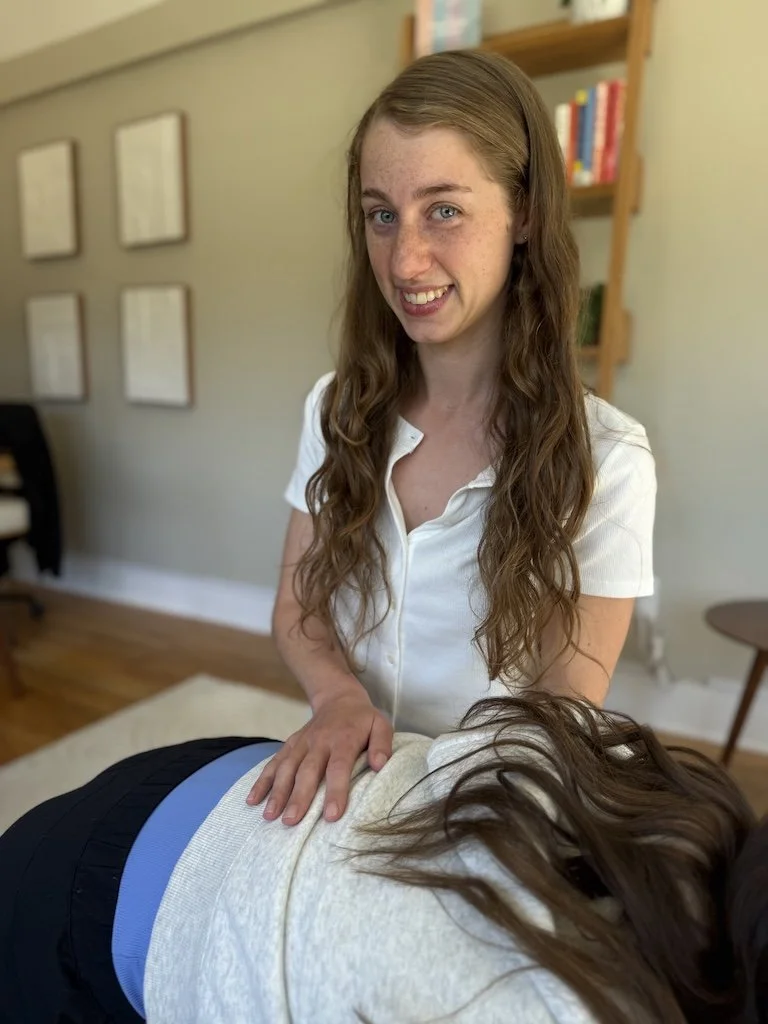
Common Symptoms I Treat
Pelvic floor physical therapy can be helpful for people experiencing:
Persistent low back pain
SI joint pain or instability
Hip pain or deep glute pain
Sciatic-type symptoms
Pain that worsens with sitting, standing, or exercise
Core weakness or difficulty returning to exercise postpartum
Recurrent flare-ups despite prior treatment
Pelvic heaviness, pressure, or urinary symptoms alongside back or hip pain
Pain during pregnancy or postpartum recovery
Difficulty tolerating running, lifting, or higher-impact exercise
Ready to Get Started Today?
Persistent low back and hip pain can make it difficult to fully participate in the activities you enjoy.
Whether your symptoms are recent or have been present for years, physical therapy can help identify contributing factors and create a treatment plan tailored to your goals.
Request an appointment to get started.